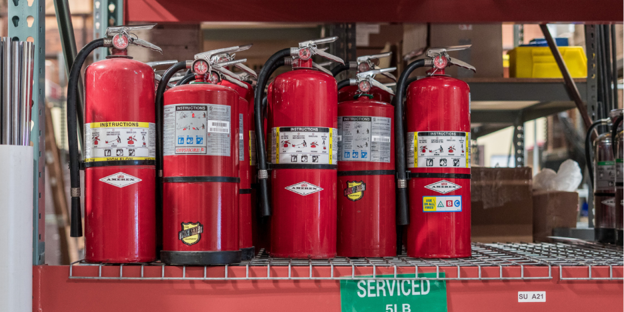
Your Fire Protection System Inspection Report Has Deficiencies — What Happens If You Ignore Them?

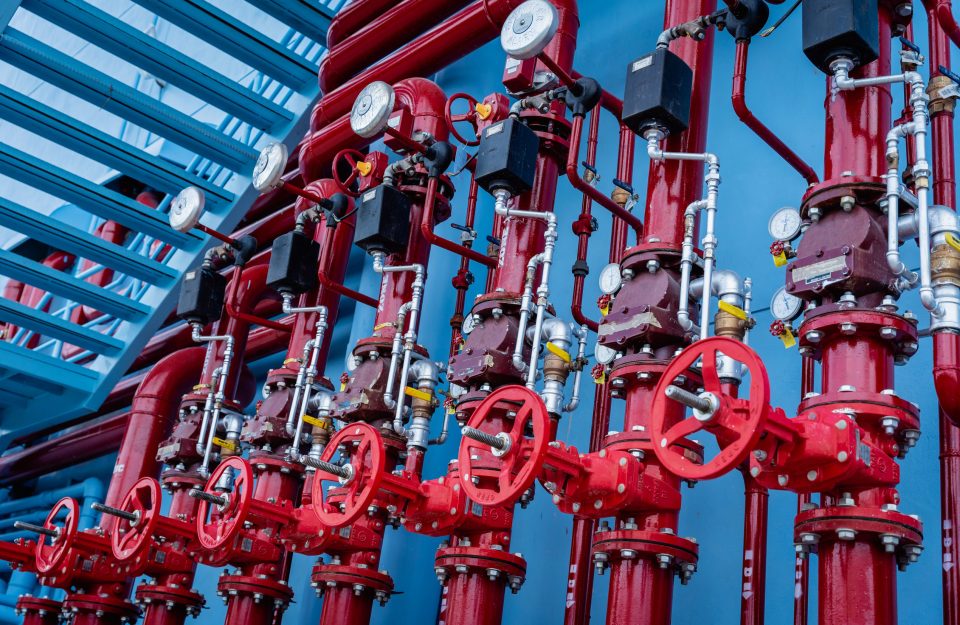
When you receive a fire protection system inspection report and it lists deficiencies, it is not something to file away and forget. These reports are designed to highlight issues that could prevent your fire protection systems from working properly in an emergency. Ignoring them can lead to serious safety risks, compliance violations, and costly consequences. Understanding what happens if you delay or ignore these deficiencies can help you make informed decisions and protect your property, occupants, and business operations.
What Is a Fire Protection System Inspection Report?
A fire protection system inspection report is a detailed document created after a professional inspection of systems such as fire alarms, sprinkler systems, extinguishers), and suppression systems. The report outlines:
- System performance
- Code compliance status
- Any deficiencies or failures
- Recommended repairs or corrective actions
Deficiencies can range from minor issues like low battery signals to major problems such as non-functioning sprinkler heads or alarm failures.
Why Deficiencies Should Never Be Ignored
Every deficiency listed in your fire protection system inspection report represents a potential failure point. Fire protection systems are only effective if every component is working correctly. Even a small issue can compromise the entire system.
Ignoring deficiencies may increase the likelihood that your system will fail when it is needed most. That failure can result in property damage, injuries, or worse.
Increased Risk to Life and Property
The most immediate consequence of ignoring deficiencies is increased risk. Fire protection systems are designed to detect, control, or suppress fires quickly. If they are not functioning properly:
- Fires may go undetected
- Sprinklers may not activate
- Alarms may fail to notify occupants
This delay can allow a fire to spread rapidly, putting lives at risk and increasing the severity of damage.
Code Violations and Legal Consequences
Most fire protection systems must comply with local, state, and national fire codes. When your fire protection system inspection report identifies deficiencies, it often means your system is not in compliance.
Ignoring these issues can lead to:
- Failed inspections
- Fines and penalties
- Notices of violation
- Possible shutdowns of your facility
In some cases, continued non-compliance can result in legal liability, especially if an incident occurs and deficiencies were previously documented.
Insurance Complications
Insurance providers expect property owners to maintain functional fire protection systems. If deficiencies are documented in your fire protection system inspection report and not addressed, it can create complications such as:
- Denied claims after a fire
- Increased premiums
- Policy cancellation
Insurance companies may argue that negligence contributed to the damage if known issues were not corrected.
Business Disruption and Financial Loss
Ignoring deficiencies can also lead to unexpected downtime. If authorities determine your building is unsafe, they may require temporary closure until repairs are completed.
This can result in:
- Lost revenue
- Interrupted operations
- Damage to your reputation
- Loss of tenant or customer trust
Addressing deficiencies proactively is far more cost-effective than dealing with emergency repairs or forced shutdowns.
Small Issues Can Become Major Problems
Many deficiencies start as minor issues that are relatively easy to fix. Over time, however, these problems can worsen and lead to more extensive damage or system failure.
For example:
- A small leak in a sprinkler system can lead to corrosion and system failure
- Faulty wiring in an alarm system can result in a complete outage
- Unmaintained components can degrade and require full replacement
Prompt action based on your fire protection system inspection report helps prevent these escalating costs.
How to Respond to Deficiencies
If your fire protection system inspection report lists deficiencies, the best approach is to act quickly and methodically.
Review the Report Thoroughly
Understand each deficiency and its severity. Some issues may require immediate attention, while others can be scheduled for prompt repair.
Prioritize Critical Repairs
Focus first on deficiencies that impact life safety or system functionality. These should never be delayed.
Work With Qualified Professionals
Hire licensed and experienced fire protection professionals to handle repairs and ensure compliance with all applicable codes.
Document All Repairs
Keep records of all corrective actions taken. This documentation is important for future inspections, compliance verification, and insurance purposes.
Schedule Follow-Up Inspections
After repairs are completed, confirm that all deficiencies have been resolved and your system is fully operational.
Staying Ahead of Future Issues
Preventative maintenance is key to avoiding repeated deficiencies. Regular inspections, timely repairs, and ongoing system monitoring can help keep your fire protection systems in top condition.
A proactive approach ensures that your next fire protection system inspection report reflects a safe, compliant, and fully functional system.
In Short, Never Ignore Deficiencies
Ignoring deficiencies in your fire protection system inspection report is a risk that no property owner or manager should take. The potential consequences range from safety hazards and legal issues to financial losses and operational disruptions. By addressing deficiencies promptly and maintaining your systems regularly, you protect not only your property but also the people who depend on those systems every day.
Relevant NFPA Codes:
Encore Fire Protection can handle your fire protection system inspections and walk you through the findings, so you know what steps you must take next.
Latest Posts
Understanding OSHA Fire Safety Requirements for Businesses
A workplace fire can put employees at risk, damage property, and interrupt operations. Understanding OSHA fire safety requirements helps business owners address hazards and prepare…
What Is the Difference Between a Minor Maintenance Item and a Critical Compliance Violation?
When reviewing a fire protection or life safety inspection report, building owners and facility managers may see a variety of findings listed. Some issues may…
How Fire Extinguishers Work: A Simple Guide
Fire extinguishers are one of the most important pieces of safety equipment found in homes, offices, restaurants, warehouses, and just about everywhere else. While many…