Marine Fire Suppression: Protecting Vessels, Crews, and Passengers at Sea

Fire safety is one of the most important considerations for any vessel operating on the water. Whether it is a commercial fishing boat, luxury yacht, cargo vessel, or passenger ferry, the risks associated with onboard fires can escalate quickly. Confined spaces, fuel systems, electrical equipment, and engine heat all create conditions where a fire can spread rapidly if not controlled immediately. That is why marine fire suppression systems are essential for protecting lives, preserving property, and maintaining compliance with maritime regulations.
What Is Marine Fire Suppression?
Marine fire suppression refers to specialized fire protection systems designed specifically for boats and ships. These systems are engineered to detect, contain, and extinguish fires in challenging marine environments where traditional firefighting methods may not be practical or effective.
Unlike standard building fire systems, marine fire suppression equipment must withstand harsh conditions such as:
- Saltwater exposure
- High humidity
- Constant vibration
- Extreme temperatures
- Limited escape routes
- Tight mechanical spaces
Marine fire suppression systems are commonly installed in engine rooms, fuel storage areas, electrical compartments, galleys, and cargo spaces where fire hazards are highest.
Why Marine Fire Suppression Is So Important
A fire aboard a vessel can become catastrophic within minutes. Since many boats operate far from shore or emergency responders, crews often need to rely on onboard suppression systems to manage the situation immediately.
Here are several reasons why marine fire suppression is critical:
Protecting Human Life
Passenger and crew safety should always come first. Fires onboard ships can create smoke inhalation risks, blocked exits, and panic among passengers. Proper suppression systems help contain fires before they threaten lives.
Preventing Extensive Property Damage
Marine vessels represent major financial investments. A fire can destroy engines, navigation systems, interiors, and cargo. Effective marine fire suppression helps reduce repair costs and protects valuable equipment.
Maintaining Vessel Operations
For commercial operations, downtime can lead to significant revenue loss. Fire incidents may result in lengthy repairs, inspections, and regulatory reviews. A quality suppression system helps minimize disruptions.
Meeting Maritime Regulations
Many vessels are required to meet specific fire protection standards established by organizations such as:
- The United States Coast Guard
- The International Maritime Organization
- National Fire Protection Association standards
- Local maritime authorities
Failing to maintain compliant marine fire suppression systems may result in fines, failed inspections, or operational shutdowns.
Common Fire Hazards on Marine Vessels
Understanding the most common fire risks onboard can help vessel owners take proactive safety measures.
Engine Room Fires
Engine rooms are among the highest-risk areas on a vessel. Heat, fuel, oil, and moving mechanical components create ideal conditions for fires to start and spread.
Electrical Fires
Modern vessels rely heavily on electrical systems for communication, navigation, lighting, and operational equipment. Damaged wiring, overloaded circuits, or faulty equipment can trigger dangerous electrical fires.
Fuel and Oil Leaks
Fuel leaks near hot surfaces or machinery can ignite quickly. Even a small leak can become a serious fire hazard in an enclosed marine environment.
Galley Fires
Commercial and recreational vessels with kitchens face many of the same cooking-related fire risks found in restaurants. Grease buildup and unattended cooking equipment can lead to dangerous fires.
Cargo-Related Risks
Cargo vessels may transport combustible materials, chemicals, or hazardous products that increase fire risks during transit.
Types of Marine Fire Suppression Systems
Different vessels require different fire protection solutions based on vessel size, operational use, and onboard hazards.
Automatic Clean Agent Systems
Clean agent systems are commonly installed in engine rooms and enclosed compartments. These systems release fire suppressant agents that extinguish fires without damaging sensitive equipment.
Benefits include:
- Fast fire suppression
- Minimal cleanup
- Safe for electronics
- Reduced vessel downtime
Foam Fire Suppression Systems
Foam systems are highly effective for fuel fires and flammable liquid hazards. The foam blankets the fire, cutting off oxygen and suppressing vapors.
These systems are often used in:
- Fuel storage areas
- Tankers
- Engine spaces
- Helicopter landing areas on larger vessels
Water Mist Systems
Water mist systems use fine water droplets to cool flames and reduce oxygen levels near the fire source. These systems use less water than traditional sprinklers while limiting water damage.
Portable Fire Extinguishers
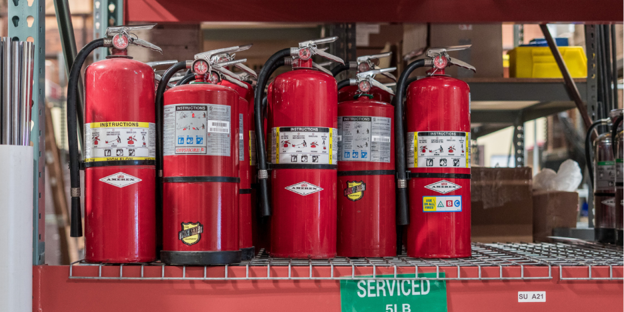
Portable extinguishers remain an important part of any marine fire safety plan. Different extinguisher types are used for various fire classes, including electrical, fuel, and cooking fires.
The Importance of Regular Inspections and Maintenance
Even the best marine fire suppression system cannot provide reliable protection without regular inspections and maintenance. Marine environments place significant stress on equipment over time.
Routine service helps identify:
- Corrosion
- Pressure loss
- Damaged nozzles
- Faulty detection systems
- Expired suppression agents
- System obstructions
Scheduled inspections also help ensure compliance with maritime regulations and insurance requirements.
Marine Fire Suppression Supports Long-Term Safety
Fire safety at sea requires careful planning, quality equipment, and ongoing maintenance. Marine fire suppression systems provide critical protection that can save lives, reduce damage, and keep vessels operating safely. Whether managing a commercial fleet, private yacht, fishing vessel, or passenger boat, investing in marine fire suppression is one of the most important steps vessel owners can take to protect people and property on the water.
Contact Encore Fire Protection to find out if we service your area and learn how we can help you maintain compliant marine fire suppression systems for greater peace of mind every time you leave the dock.
Latest Posts
Understanding OSHA Fire Safety Requirements for Businesses
A workplace fire can put employees at risk, damage property, and interrupt operations. Understanding OSHA fire safety requirements helps business owners address hazards and prepare…
What Is the Difference Between a Minor Maintenance Item and a Critical Compliance Violation?
When reviewing a fire protection or life safety inspection report, building owners and facility managers may see a variety of findings listed. Some issues may…
How Fire Extinguishers Work: A Simple Guide
Fire extinguishers are one of the most important pieces of safety equipment found in homes, offices, restaurants, warehouses, and just about everywhere else. While many…