Back-to-School Fire Safety: Protecting Students, Staff, and School Facilities

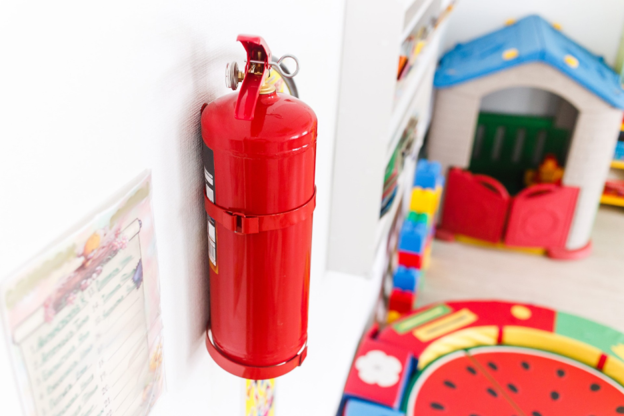
As students return to classrooms in the fall, schools become busy environments filled with learning, activities, and daily routines. While preparing for a successful academic year often focuses on supplies, schedules, and lesson plans, back to school fire safety should also be a priority. Taking proactive steps can help protect students, teachers, staff, and school property from potential fire hazards.
Why Back-to-School Fire Safety Matters
Schools house large numbers of people every day, making fire prevention and emergency preparedness essential. A fire emergency can disrupt learning, damage facilities, and put lives at risk. By reviewing safety procedures and identifying potential hazards before the school year begins, administrators can create a safer environment for everyone.
Back-to-school fire safety is not just the responsibility of facility managers. Teachers, staff members, students, and parents all play important roles in maintaining a safe campus.
Inspect Fire Protection Systems Before Students Arrive
One of the most important back-to-school fire safety measures is ensuring all fire protection systems are functioning properly. Before the first day of school, administrators should verify that:
- Fire alarms are tested and operational
- Fire sprinkler systems have been inspected
- Fire extinguishers are properly charged and accessible
- Emergency lighting functions correctly
- Exit signs are illuminated and visible
Regular inspections and maintenance help identify issues before they become serious problems. Hiring fire professionals is a great way to ensure that all inspections and testing are completed correctly. They will also help with maintenance requirements, so you can have peace of mind that your fire protection systems are in optimal working condition.
Keep Exits and Hallways Clear
During the school year, hallways can quickly become crowded with decorations, storage items, and equipment. While these items may seem harmless, they can create obstacles during an emergency evacuation.
To support back to school fire safety, schools should:
- Keep exit doors unlocked during occupied hours
- Maintain clear access to all exits
- Avoid storing materials in hallways and stairwells
- Ensure evacuation routes remain unobstructed
Students and staff should always know the nearest exit from any classroom or common area.
Review Emergency Evacuation Plans
Every school should have a detailed fire evacuation plan. At the beginning of the school year, teachers and staff should review emergency procedures and become familiar with evacuation routes.
Key elements of an effective evacuation plan include:
- Clearly designated exit routes
- Assigned assembly areas
- Procedures for assisting individuals with disabilities
- Accountability measures for students and staff
- Communication protocols during emergencies
Conducting fire drills early in the school year helps ensure everyone understands what to do if an emergency occurs. NFPA 1 addresses frequency, conduct, environment, and documentation for drills.
Address Common Classroom Fire Hazards
Classrooms contain a variety of potential fire risks that should be monitored throughout the year.
Common hazards include:
- Overloaded electrical outlets
- Damaged extension cords
- Improper use of power strips
- Blocked heating and ventilation equipment
- Excessive combustible decorations
Teachers should inspect their classrooms regularly and report any concerns immediately. Limiting clutter can also reduce fire risks and improve evacuation safety.
Promote Fire Safety Education
Back-to-school fire safety provides an excellent opportunity to educate students about fire prevention. Age-appropriate fire safety lessons can help students understand the importance of:
- Recognizing fire alarms
- Following evacuation instructions
- Reporting unsafe conditions
- Understanding basic fire prevention practices
When students understand fire safety expectations, they are more likely to respond appropriately during an emergency.
Pay Special Attention to Cafeterias and Kitchens
School kitchens and cafeterias present unique fire risks due to cooking equipment and grease-producing appliances. Staff should ensure that:
- Cooking equipment is regularly cleaned
- Kitchen fire suppression systems are inspected
- Employees receive fire safety training
- Fire extinguishers are readily available
Proper maintenance and training can significantly reduce the likelihood of a kitchen fire.
Start the School Year Safely
A strong focus on back-to-school fire safety helps create a secure learning environment where students and staff can thrive. By inspecting fire protection systems, maintaining clear evacuation routes, educating building occupants, and addressing potential hazards, schools can reduce risks and improve emergency preparedness.
Encore Fire Protection would love to help your school take stock of its current fire safety systems so that your students and staff stay safe all year.
Latest Posts
Understanding OSHA Fire Safety Requirements for Businesses
A workplace fire can put employees at risk, damage property, and interrupt operations. Understanding OSHA fire safety requirements helps business owners address hazards and prepare…
What Is the Difference Between a Minor Maintenance Item and a Critical Compliance Violation?
When reviewing a fire protection or life safety inspection report, building owners and facility managers may see a variety of findings listed. Some issues may…
How Fire Extinguishers Work: A Simple Guide
Fire extinguishers are one of the most important pieces of safety equipment found in homes, offices, restaurants, warehouses, and just about everywhere else. While many…