Holiday Fire Safety Tips for Property Owners and Residents

The holiday season is a time for celebration, but for residential properties and businesses, it also brings a heightened risk of fire incidents. From overloaded electrical systems to unattended cooking, the National Fire Protection Association (NFPA) consistently reports an increase in structure fires during the winter months.
At Encore Fire Protection, we know that protecting your property starts with proactive measures and effective communication.
That’s why we’ve put together this essential guide with holiday fire safety tips to help you enjoy a safe, fire-free season.
Holiday Fire Safety for Property Managers and Business Owners
While individual residents and tenants are responsible for their behavior, the integrity of the building’s life safety systems remains the owner’s domain.
Prioritize System Readiness
- Inspect Heating Systems: Schedule a professional inspection and cleaning of all common area heating equipment and the building’s main chimney/vents before the cold weather truly settles. Ensure all heating equipment is operating safely and efficiently.
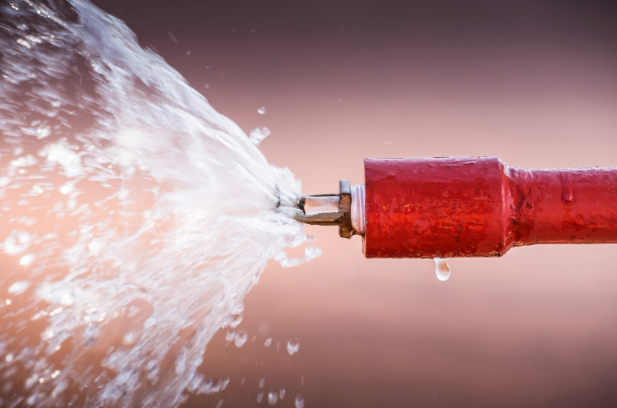
- Confirm Fire System Status: Verify that your fire alarm system, fire sprinklers, and emergency lighting are fully operational. Do not allow holiday decorations to obstruct sprinkler heads, fire alarm pull stations, or exit signs.
- Maintain Clear Egress Paths: Regularly inspect all common areas such as lobbies, hallways, stairwells, and main exits to ensure they remain completely free of decorations, boxes, discarded wrapping, or inventory that could block an evacuation route.
Holiday Fire Safety for Residents and Tenants
Holiday fire safety starts with individuals practicing safe habits in their homes, units, or workspaces. Share these critical reminders with everyone on your property to help ensure a safe season:
Live Trees
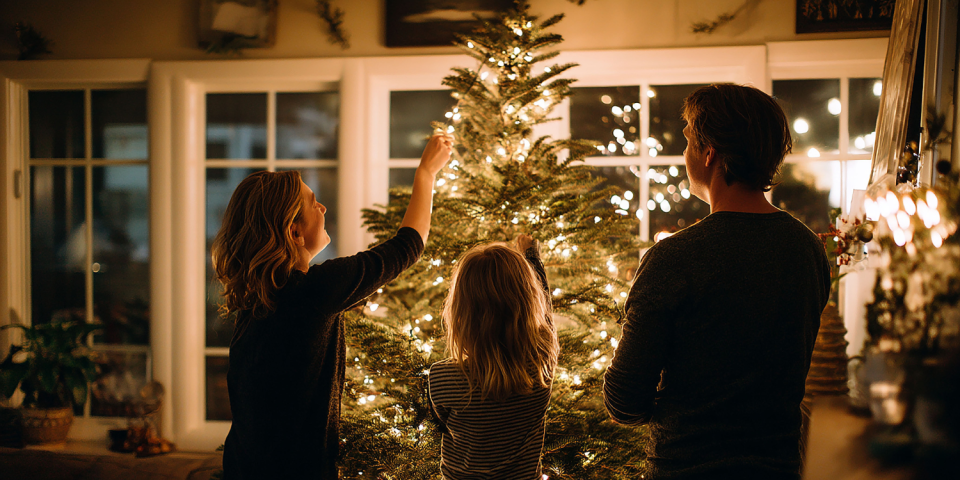
Although Christmas tree fires are not common, when they do occur, they are more likely to be serious, according to the NFPA. If you have a live Christmas tree, make sure to follow these simple tips:
- Keep the tree well-watered daily!
- Make sure the tree is at least three feet away from any heat source, like fireplaces, radiators, candles, heat vents or lights.
- Dispose of the tree after Christmas or immediately once the needles become dry.
Electrical and Lighting Safety
Holiday lights create festive displays across properties, but damaged or improperly installed lighting is a leading cause of seasonal fires. Educate yourself on these lighting safety practices:
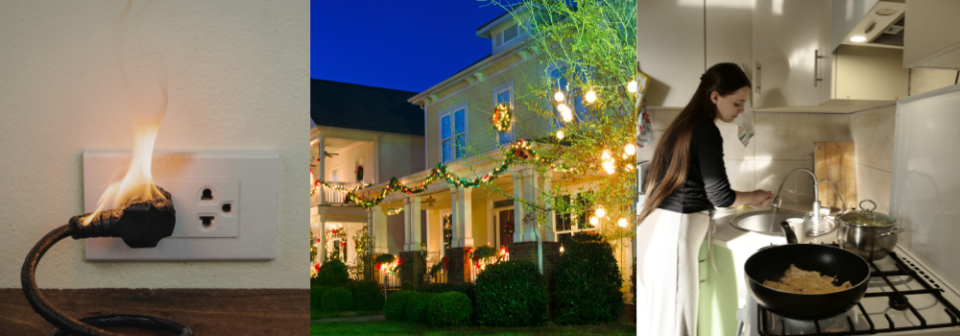
- Before plugging them in, inspect the string of lights for frayed wires, cracked sockets, or loose connections. Discard damaged strands immediately.
- Use proper fasteners, like clips, not nails, to hang lights so the cords do not get damaged.
- To avoid overloading outlets, never plug more than the recommended number of light strands (check the manufacturer’s instructions) together. Use surge protectors instead of “daisy-chaining” extension cords.
- All decorative lighting, especially on Christmas trees and windows, should be turned off or unplugged at the end of the business day or before you leave your units or go to sleep. Using an automatic timer can help ensure compliance.
Candle Safety
From Hanukkah to Kwanzaa to festive gatherings with Advent wreaths, candles play a central role in many holiday traditions. But with open flames comes the risk of accidents. Here are some candle safety reminders:
- Keep lit candles away from decorations, curtains, papers, and anything else that can burn. A minimum of 12 inches of clearance is recommended.
- Blow out lit candles when you leave the room or go to bed.
- Keep children and pets away from lit candles. Place candles on stable, heat-resistant surfaces out of reach.
Cooking Safety (Crucial for Residential & Commercial Kitchens)
Cooking is the leading cause of home fires year-round, and the holidays see a dramatic spike in kitchen-related incidents. These cooking safety essentials could save your property and life:
- Never leave the stove or oven unattended while frying, boiling, or broiling. If you must leave the kitchen, turn off the burner.
- Keep flammable items, like paper, towels, oven mitts, wooden utensils, and holiday decorations at least three feet away from the stovetop and oven.
- Know how to properly put out a grease fire (smother it with a lid or use a Class K fire extinguisher); never use water.
Heating & Space Heater Safety
As temperatures drop, the risk of fire from supplemental heating rises. Follow these heating safety protocols:
- Keep all flammable materials, including clothing, paper, curtains, and decorations, at least three feet (one meter) away from furnaces, radiators, and space heaters.
- Space heaters should never be run overnight while sleeping or left unattended in an office or apartment unit. You should also never plug a space heater into an extension cord or power strip; plug them directly into a wall outlet. Ensure your space heaters have an automatic shut-off feature if they tip over.
- Never use an oven or gas stovetop to heat your home.
The Shared Responsibility for a Safe Holiday
Holiday fire safety is everyone’s responsibility. For property owners and managers, that means taking proactive steps—maintaining fire protection systems and sharing clear safety reminders with those who live or work in your building. For residents and occupants, it’s about practicing safe habits every day.
This holiday season, make safety part of your traditions. For professional fire protection system inspections, maintenance, and compliance support for your commercial buildings and residential communities, contact Encore Fire Protection. We’re here to help you keep your facilities safe year-round.
Latest Posts
What’s the Difference Between Fire Prevention and Fire Protection?
Fire prevention and fire protection may sound similar, but they play very distinct roles in keeping people and property safe. Understanding the difference and…
Your Top 4 Commercial Kitchen Ventilation Questions Answered
If you can’t stand the heat, get out of the kitchen. Or maybe you have a ventilation problem. A properly functioning kitchen ventilation system…

AI, IoT, and Drones: 4 Emerging Trends in Fire Sprinkler Technology for 2025
Fire protection is evolving fast — and if your fire sprinkler system isn’t keeping up, your safety strategy might be stuck in the past. In…