What Property Owners Need to Know About Sprinkler System Inspections

Fire protection is one of the most important responsibilities property owners carry, whether you manage a commercial building, oversee a multi-family property, or own an industrial facility. Among the most critical components of any fire protection system are sprinklers, and understanding sprinkler system inspections is essential to keeping your building safe, compliant, and fully operational.
What Are Sprinkler System Inspections?
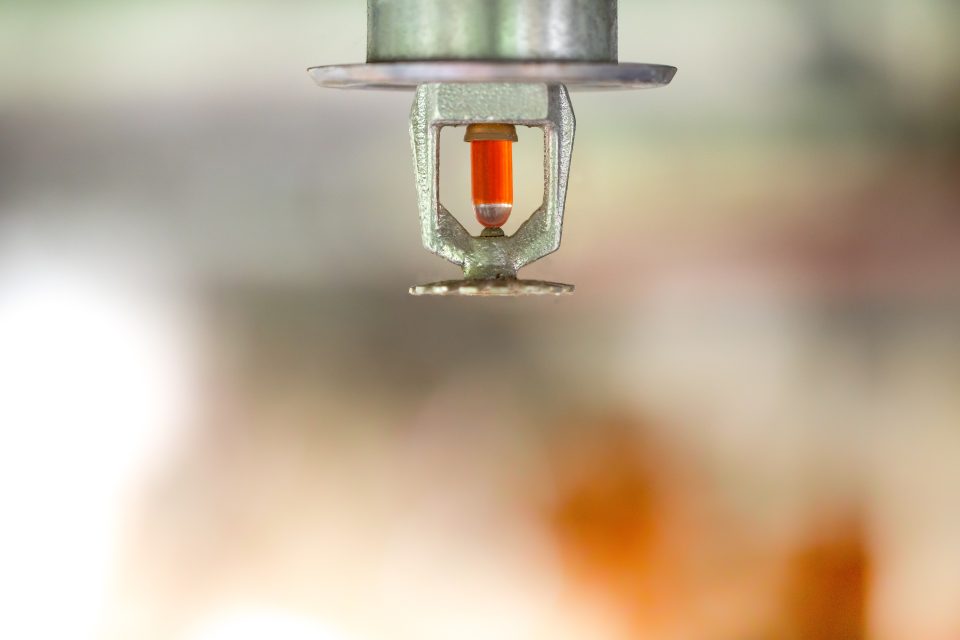
Sprinkler system inspections are routine evaluations of your fire sprinkler system to ensure it is functioning properly and ready to respond in the event of a fire. These inspections involve checking key components such as:
- Sprinkler heads
- Valves and gauges
- Piping and fittings
- Alarm devices
- Water flow and pressure levels
The goal is simple: identify any damage, corrosion, obstructions, or mechanical failures before they become serious risks.
Why Sprinkler System Inspections Are Critical
Life Safety Comes First
A properly functioning sprinkler system can control or extinguish a fire before it spreads, giving occupants time to evacuate safely. Regular sprinkler system inspections ensure that your system will perform when it matters most.
Code Compliance and Regulations
Local and national fire codes require routine inspections, testing, and maintenance of sprinkler systems. Failing to keep up with required sprinkler system inspections can result in fines, violations, or even temporary closure of your property.
Protecting Your Investment
Fire damage can be devastating, both structurally, and financially. Regular inspections help minimize risk, reduce potential repair costs, and protect your property value.
Insurance Requirements
Many insurance providers require proof of ongoing sprinkler system inspections. Keeping detailed records can help avoid disputes and may even lower your premiums.
How Often Are Sprinkler System Inspections Required?
Inspection frequency depends on the type of system and applicable codes, but most properties follow guidelines similar to those set by NFPA standards. Typical schedules include:
- Weekly/Monthly: Visual checks of gauges and valves
- Quarterly: Alarm device inspections and system inspections
- Semi-Annual: Alarm device testing and system inspections
- Annual: Comprehensive inspection of all components
- Every 5 Years: Internal pipe inspections and obstruction investigations
Staying on schedule with sprinkler system inspections ensures ongoing compliance and system reliability.
What Happens During a Sprinkler System Inspection?
During professional sprinkler system inspections, certified technicians will perform a thorough review of your system, including:
Visual Inspection
Technicians check for visible damage, corrosion, leaks, or obstructions that could affect performance.
Functional Testing
Key components such as control valves, alarms, and water flow switches are tested to confirm they are operating correctly.
Pressure Checks
Water pressure and flow are measured to ensure the system can deliver adequate coverage in the event of a fire.
Documentation and Reporting
After the inspection, you’ll receive a detailed report outlining findings, deficiencies, and recommended corrective actions.
Common Issues Found During Sprinkler System Inspections
Routine sprinkler system inspections often uncover issues that may go unnoticed without professional evaluation, including:
- Painted or obstructed sprinkler heads
- Corroded or leaking pipes
- Closed or partially closed control valves
- Faulty alarm connections
- Sediment buildup inside pipes
Addressing these problems early can prevent more costly repairs later on and ensure your system works as intended.
The Importance of Hiring a Qualified Provider
Not all inspections are created equal. Working with a licensed and experienced fire protection company ensures your sprinkler system inspections are thorough, accurate, and compliant with current codes.
A professional provider will:
- Stay up to date with NFPA standards and local regulations
- Provide clear, actionable reports
- Offer maintenance and repair solutions if issues are found
- Help you maintain proper inspection records for compliance and insurance
Tips for Property Owners
To get the most out of your sprinkler system inspections, keep these best practices in mind:
- Schedule inspections in advance to avoid lapses
- Keep detailed records of all inspections and repairs
- Ensure sprinkler heads remain unobstructed at all times
- Address deficiencies promptly
- Partner with a trusted fire protection company
Stay Proactive with Sprinkler System Inspections
At the end of the day, sprinkler system inspections are a critical part of protecting lives, property, and your long-term investment. By staying proactive and working with experienced professionals, property owners can ensure their systems are always ready to perform when needed. If you haven’t scheduled your next inspection yet, now is the time to take action. A small investment in regular inspections today can prevent major losses tomorrow.
Fill out our form below if you have more questions or would like to schedule a sprinkler system inspection for your facility.
Latest Posts
Understanding OSHA Fire Safety Requirements for Businesses
A workplace fire can put employees at risk, damage property, and interrupt operations. Understanding OSHA fire safety requirements helps business owners address hazards and prepare…
What Is the Difference Between a Minor Maintenance Item and a Critical Compliance Violation?
When reviewing a fire protection or life safety inspection report, building owners and facility managers may see a variety of findings listed. Some issues may…
How Fire Extinguishers Work: A Simple Guide
Fire extinguishers are one of the most important pieces of safety equipment found in homes, offices, restaurants, warehouses, and just about everywhere else. While many…