Why Every Commercial Kitchen Needs a Restaurant Hood Suppression System

Operating a commercial kitchen involves managing high heat, open flames, grease buildup, and fast-paced food preparation, all of which significantly increase the risk of fire. From restaurants and hotels to cafeterias and catering facilities, kitchen safety must always be a top priority. A restaurant hood suppression system is designed to detect and extinguish fires quickly, protecting staff, customers, property, and business operations. Without this safety feature, commercial kitchens face a much higher risk of dangerous fires and costly damage.
What Is a Restaurant Hood Suppression System?
A restaurant hood suppression system is a specialized fire suppression system designed specifically for commercial cooking environments. It is typically installed within the exhaust hood above cooking appliances such as fryers, grills, ranges, and ovens.
These systems automatically detect fires and release a chemical suppression agent that quickly extinguishes flames and prevents them from spreading through the hood, ductwork, or kitchen equipment.
Most systems include several key components:
- Heat sensors or fusible links that detect rising temperatures
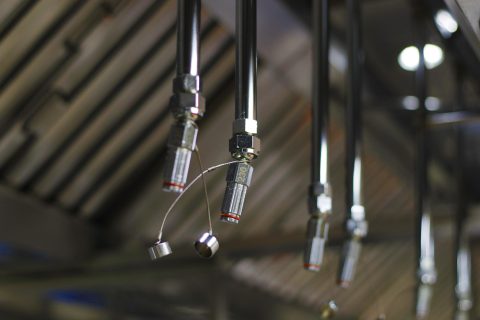
- Nozzles positioned over cooking appliances
- A chemical suppression agent that smothers grease fires
- A manual pull station for emergency activation
- Automatic shutdown of gas or electrical cooking equipment
When a fire occurs, the system activates automatically, releasing the suppression agent to contain and extinguish the flames before they spread throughout the kitchen.
The Unique Fire Risks in Commercial Kitchens
Commercial kitchens present a unique environment where fire hazards are significantly higher than in most workplaces. Cooking equipment produces intense heat, and grease vapors accumulate inside ventilation systems over time.
Grease is highly flammable, and once ignited, it can quickly spread through ducts and ventilation systems. A small flare-up on a stovetop or fryer can escalate into a major fire if not addressed immediately.
Common causes of kitchen fires include:
- Grease buildup in hood and duct systems
- Overheated cooking oil
- Unattended cooking equipment
- Electrical malfunctions in appliances
- Open flames near combustible materials
Because these risks are so common in food service environments, installing a restaurant hood suppression system is essential for minimizing fire hazards.
Rapid Fire Suppression Saves Lives and Property
The speed at which a fire spreads in a kitchen can be alarming. Within seconds, flames can engulf cooking equipment and spread through ventilation systems, placing employees and customers at risk.
A restaurant hood suppression system reacts immediately when high temperatures or flames are detected. Instead of relying solely on handheld fire extinguishers or staff intervention, the system automatically releases its suppression agent to control the fire instantly.
This rapid response provides several key advantages:
- Fires are extinguished before they spread
- Staff have time to evacuate safely
- Equipment damage is minimized
- Property loss is reduced
- Emergency response teams face fewer hazards
In many cases, a properly functioning suppression system can stop a fire before it grows beyond a small, manageable incident.
Compliance With Fire Safety Codes and Regulations
Local and national fire codes require commercial kitchens to install proper fire suppression systems. Regulatory organizations such as the National Fire Protection Association (NFPA) provide strict guidelines for commercial cooking operations.
NFPA 96, the standard for ventilation control and fire protection in commercial cooking operations, outlines the requirements for installing and maintaining a restaurant hood suppression system.
Failing to comply with these regulations can result in:
- Failed safety inspections
- Fines and penalties
- Temporary or permanent closure of the business
- Increased liability in the event of a fire
Installing and maintaining a suppression system helps ensure that commercial kitchens remain compliant with safety regulations and avoid costly disruptions.
Protecting Business Operations
For restaurant owners and food service operators, a kitchen fire can have devastating financial consequences. Beyond the immediate damage to equipment and property, a fire can lead to prolonged business interruptions. Restaurants rely on consistent daily operations, and even a short closure can lead to lost revenue, spoiled inventory, and damage to the brand’s reputation.
A restaurant hood suppression system helps protect business continuity by preventing fires from escalating into major disasters. By containing incidents early, businesses can reduce downtime and resume operations much more quickly.
Lower Insurance Risk and Liability
Insurance companies recognize the fire risks associated with commercial kitchens. Businesses that lack proper fire suppression systems may face higher insurance premiums or difficulty obtaining coverage. Installing a restaurant hood suppression system demonstrates that a business takes fire safety seriously. This proactive approach may help reduce insurance risks and protect owners from liability in the event of a fire-related incident.
Additionally, suppression systems provide documentation that the business has taken appropriate safety precautions, which can be valuable during inspections or legal proceedings.
Routine Maintenance Keeps Systems Ready
Like any safety equipment, suppression systems require regular inspection and maintenance to ensure they function properly. Most fire safety standards require inspections every six months to confirm that all components are working correctly.
Routine maintenance typically includes:
- Checking fusible links and detection components
- Inspecting nozzles for blockages or damage
- Verifying system pressure levels
- Testing manual pull stations
- Confirming gas and electrical shutoff functions
Regular inspections help ensure that the restaurant hood suppression system is fully operational and ready to respond when needed.
A Critical Safety Investment for Every Commercial Kitchen
Running a commercial kitchen means managing constant heat, flames, and grease. Investing in a restaurant hood suppression system is one of the most effective ways to protect staff, customers, equipment, and the business itself. With rapid fire detection, automatic suppression, and compliance with fire safety codes, these systems provide essential protection for food service operations of all sizes. Every commercial kitchen, from small cafés to large restaurants and institutional kitchens, benefits from having a reliable restaurant hood suppression system in place.
Fill out our form below if you have more questions or are looking to have restaurant hood suppression systems installed in your business.
Latest Posts
The Safety Implications of Failing to Retrofit Older Buildings with Fire Safety Systems
Older buildings are part of our architectural heritage. They give character to cities, preserve history, and often provide affordable housing and commercial space. However, many…

Do All Fire Sprinklers Activate at the Same Time?
One of the most common myths about fire protection is the idea that all fire sprinklers activate at the same time during a fire. Thanks…

How Engineering & Design Impact Fire Protection System Performance
When it comes to safeguarding people, property, and critical operations, fire protection systems are only as effective as the engineering and design behind them. While…