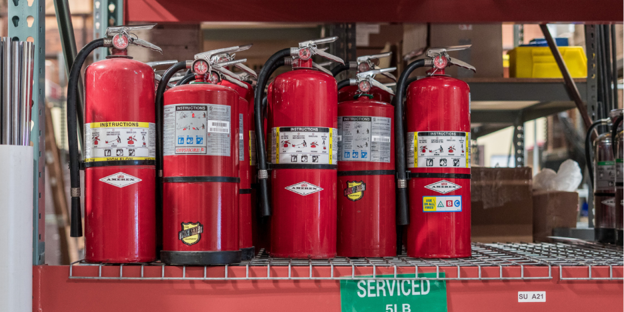
Winterizing Your Fire Sprinkler System: Essential Tips for Pipe Care

As winter approaches, it’s crucial to pay special attention to the care of your fire sprinkler system to ensure its reliable performance in case of an emergency. The pipes are the backbone of the system and protecting them from freezing temperatures is paramount. In this blog post, we’ll explore the importance of winterizing your fire sprinkler pipes and provide essential tips for their care during the cold months.
The Significance of Winter Maintenance:
A well-maintained fire sprinkler system is vital for the safety of any building. During winter, the risk of frozen pipes poses a threat to the functionality of the system, potentially compromising its ability to respond effectively to a fire emergency.
Tips for Fire Sprinkler Pipe Care in Winter:
- Insulate Pipes:
Insulation is your first line of defense against freezing temperatures. Ensure that all exposed pipes, especially those in unheated areas, are properly insulated. Use insulation sleeves or wraps to protect the pipes from extreme cold. - Seal Gaps and Cracks:
Examine the building for any gaps or cracks that could allow cold air to reach the pipes. Seal these openings to create a barrier against the winter chill. - Maintain Adequate Heating:
Keep the ambient temperature in areas containing fire sprinkler pipes above freezing. This may involve maintaining a consistent heating system in these spaces or using auxiliary heating methods.
- Regularly Check for Leaks:
Inspect the pipes for any signs of leaks. Even small leaks can lead to ice formation and compromise the integrity of the system. Address leaks promptly to prevent further damage. - Drain Low Point Drains:
If your fire sprinkler system includes low point drains, ensure they are drained to remove any residual water. This helps prevent freezing and potential damage to the pipes.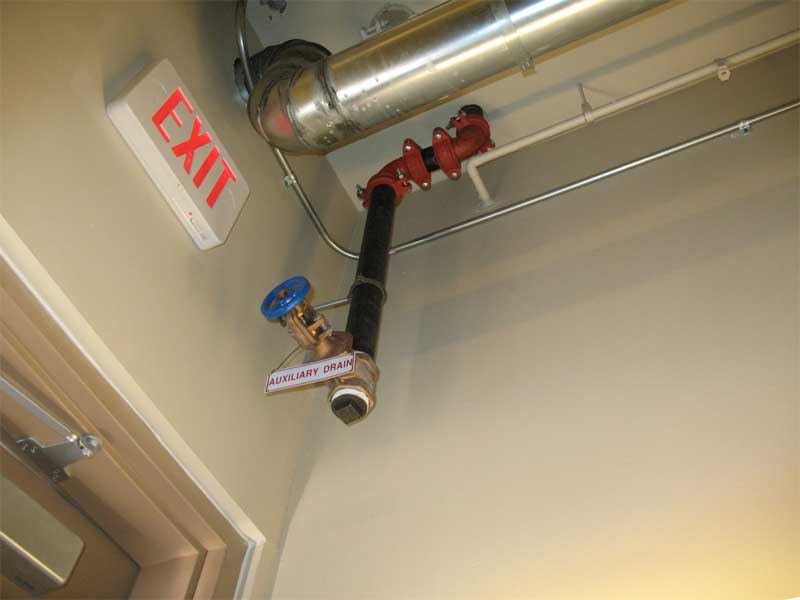
- Monitor Building Temperature:
Install temperature monitoring systems in key areas to receive alerts if the temperature drops dangerously low. Early detection allows for timely intervention to prevent freezing. - Schedule Professional Inspections:
Engage the services of a professional fire sprinkler system inspector to conduct a thorough winterization inspection. They can identify potential issues and provide recommendations for maintenance.
Importance of Preventive Measures:
Taking proactive steps to protect your fire sprinkler pipes from winter-related issues is a preventive measure that can save you from costly repairs and ensure the system’s readiness in case of a fire emergency. A well-maintained system can be the difference between a controlled fire and a devastating one.
Winterizing your fire sprinkler system, with a focus on pipe care, is a responsibility that should not be overlooked. By implementing these essential tips, you can safeguard your building and its occupants, ensuring that your fire sprinkler system remains a reliable and effective tool for fire protection, even in the coldest months of the year.
Latest Posts
Understanding OSHA Fire Safety Requirements for Businesses
A workplace fire can put employees at risk, damage property, and interrupt operations. Understanding OSHA fire safety requirements helps business owners address hazards and prepare…
What Is the Difference Between a Minor Maintenance Item and a Critical Compliance Violation?
When reviewing a fire protection or life safety inspection report, building owners and facility managers may see a variety of findings listed. Some issues may…
How Fire Extinguishers Work: A Simple Guide
Fire extinguishers are one of the most important pieces of safety equipment found in homes, offices, restaurants, warehouses, and just about everywhere else. While many…