How Fire Extinguishers Work: A Simple Guide

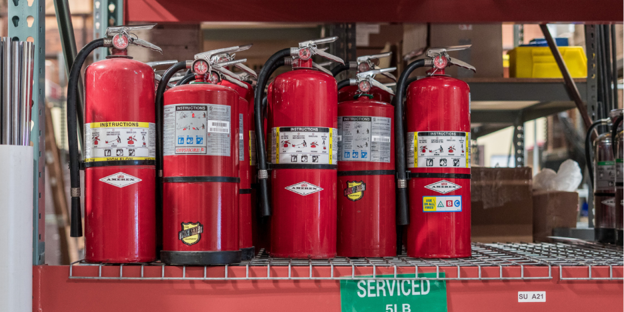
Fire extinguishers are one of the most important pieces of safety equipment found in homes, offices, restaurants, warehouses, and just about everywhere else. While many people know they are used to stop fires, fewer understand exactly how fire extinguishers work and why choosing the right extinguisher matters. Understanding the basics can help people respond quickly and safely during an emergency.
How Fire Extinguishers Stop Fires
Most fire extinguishers work by releasing a special agent under pressure. When the handle is squeezed, the pressure forces the extinguishing material through the nozzle and onto the fire.
The extinguishing agent then works by:
- Cooling the fire
- Smothering oxygen
- Interrupting the chemical reaction of combustion
Different fires require different extinguishing methods, which is why there are several types of fire extinguishers available.
The Different Classes of Fires
A major part of understanding how fire extinguishers work is knowing that fires are grouped into different classes.
Class A Fires
Class A fires involve ordinary combustible materials such as:
- Wood
- Paper
- Cloth
- Trash
Water-based extinguishers are commonly used for these fires because they cool the burning material.
Class B Fires
Class B fires involve flammable liquids and gases, including:
- Gasoline
- Oil
- Paint
- Propane
These fires require extinguishers that smother the flames instead of spreading the liquid fuel.
Class C Fires
Class C fires involve energized electrical equipment such as:
- Wiring
- Circuit breakers
- Appliances
- Electronics
Non-conductive extinguishing agents are essential to avoid electrical shock.
Class D Fires
Class D fires involve combustible metals, which are common in industrial environments. Specialized extinguishers are required for these situations.
Class K Fires
Class K fires are caused by cooking oils and fats, often in commercial kitchens. Wet chemical extinguishers are specifically designed for these high-temperature grease fires.
Fire Extinguisher Chemicals
Fire extinguishers of different classes are filled with different chemicals, which makes them more effective when dealing with the fires they are rated for.
Water Fire Extinguishers
Water extinguishers remove heat from the fire. They are most effective on Class A fires and should never be used on grease or electrical fires.
Dry Chemical Fire Extinguishers
Dry chemical extinguishers are among the most common. They release a powder that interrupts the chemical reaction of the fire. Many are rated for Class A, B, and C fires, making them versatile for commercial and residential use.
Carbon Dioxide (CO2) Fire Extinguishers
CO2 extinguishers work by displacing oxygen around the fire. They are commonly used for electrical fires because they leave no residue behind.
Wet Chemical Fire Extinguishers
Wet chemical extinguishers are designed for kitchen fires involving cooking oils and grease. They cool the fire while creating a barrier between the fuel and oxygen.
How to Use a Fire Extinguisher
Knowing how fire extinguishers work is important, but knowing how to use one is equally critical. Remember the PASS method:
Pull
Pull the safety pin from the extinguisher.
Aim
Aim the nozzle at the base of the fire, not the flames.
Squeeze
Squeeze the handle to release the extinguishing agent.
Sweep
Sweep the nozzle from side to side while covering the fire source.
Using the extinguisher correctly increases the chances of controlling a small fire before it spreads.
Why Fire Extinguisher Maintenance Matters
Fire extinguishers must be inspected and maintained regularly to ensure they work properly during an emergency. A damaged or expired extinguisher may fail when needed most.
Routine maintenance typically includes:
- Checking pressure levels
- Inspecting for corrosion or damage
- Confirming the safety pin is intact
- Verifying inspection tags are current
Commercial properties often have inspection requirements based on local fire codes and insurance standards.
Now You Know How Fire Extinguishers Work
Understanding how fire extinguishers work can make a major difference during a fire emergency. Fire extinguishers are designed to break the fire triangle by cooling the fire, removing oxygen, or interrupting combustion. Because different fires require different extinguishing agents, choosing the right extinguisher is essential. Whether in a home, office, warehouse, or restaurant, properly maintained fire extinguishers are a key part of any fire protection plan.
Encore Fire Protection offers extensive fire extinguisher services, including design, inspections, testing, recharging, and training.
Latest Posts
Back-to-School Fire Safety: Protecting Students, Staff, and School Facilities
As students return to classrooms in the fall, schools become busy environments filled with learning, activities, and daily routines. While preparing for a successful academic…
How to Prepare for an AHJ Visit
If your building includes fire alarms, sprinkler systems, extinguishers, emergency lighting, kitchen suppression systems, or other life safety equipment, there is a good chance you…
Everything Food Truck Owners Need to Know About Fire Suppression Systems
Food trucks have become a major part of the food service industry, offering convenience, mobility, and unique dining experiences for customers across the country. While…