Understanding OSHA Fire Safety Requirements for Businesses

A workplace fire can put employees at risk, damage property, and interrupt operations. Understanding OSHA fire safety requirements helps business owners address hazards and prepare employees to respond during an emergency. From keeping exits clear to maintaining fire extinguishers, effective preparation requires attention to both equipment and procedures.
The requirements that apply depend on your workplace, its hazards, and the applicable standards. This overview focuses on several federal OSHA general industry requirements that businesses should understand.
Keep Exit Routes Clear and Visible
An evacuation route must remain usable throughout the workday. Under OSHA’s exit route requirements, businesses must keep these paths free of materials and equipment, including temporary obstructions. Boxes, furniture, and deliveries cannot block an escape route simply because someone plans to move them later.
Exit routes must also have adequate lighting, and exits must be clearly marked. Where the direction of travel is unclear, directional signs must guide employees toward the exit. Doors or passages that could be mistaken for exits need identification showing their actual purpose. Emergency safeguards, including fire doors, alarms, sprinklers, and exit lighting, must remain operational.
Understand Emergency Action Plan Requirements
An emergency action plan explains how employees should respond when an emergency occurs. OSHA requires this plan when another applicable OSHA standard calls for one.
Required plans must address reporting emergencies, evacuation procedures, employee accountability, and any assigned rescue or medical duties. They must also cover employees who remain temporarily to handle critical operations and identify someone employees can contact about the plan.
Generally, the plan must be written, kept at the workplace, and available for employees to review. Employers with 10 or fewer employees may communicate it orally. Employers must review the plan with covered employees when it is developed, when employees initially receive their assignments, and when their responsibilities or the plan change. Designated evacuation assistants also need training.
Address Fire Hazards Before an Emergency
OSHA fire safety also includes preventing fires. A fire prevention plan is required when an applicable OSHA standard specifies one.
Required plans identify major fire hazards, hazardous material handling and storage procedures, ignition sources, and appropriate fire protection equipment. They also establish procedures for controlling combustible waste and maintaining safeguards on equipment that produces heat.
The plan must identify employees responsible for controlling fuel hazards and maintaining equipment that prevents or controls fires. Employees must receive information about their job’s fire hazards upon initial assignment and understand the portions of the plan relevant to their protection. As with emergency action plans, employers with 10 or fewer employees may communicate a required fire prevention plan orally.
Maintain Fire Extinguishers and Clarify Employee Roles
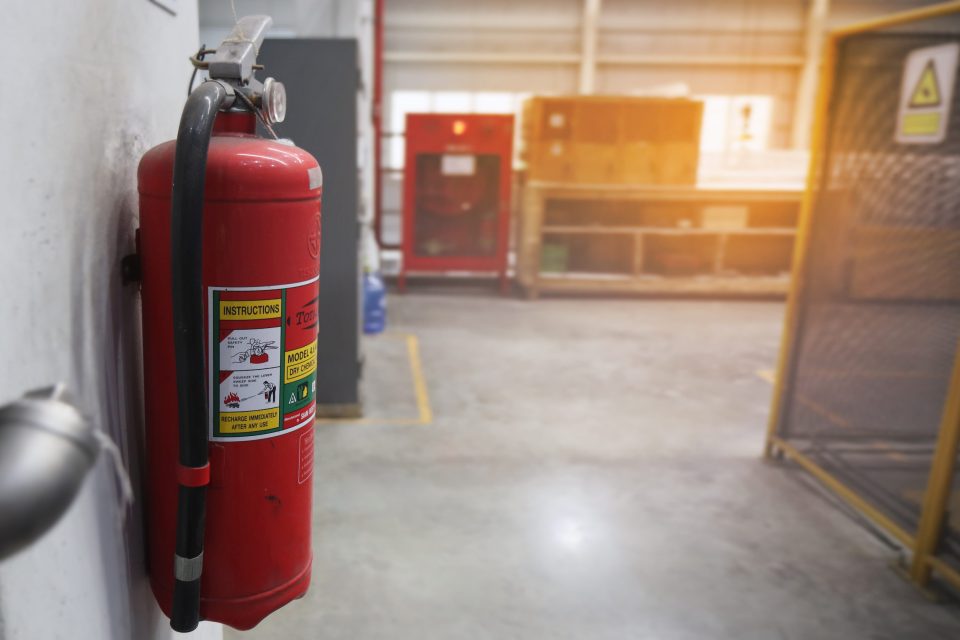
Providing a fire extinguisher involves more than mounting it on a wall. Where OSHA’s apply, employers must select equipment appropriate for anticipated fire hazards and maintain it in operable condition.
Portable extinguishers require monthly visual inspections and annual maintenance checks. Additional testing requirements depend on the equipment. Businesses should also make sure employees understand whether they are authorized to use extinguishers or expected to evacuate.
When extinguishers are provided for employee use, OSHA requires education on extinguisher principles and the hazards of fighting an early-stage fire upon initial employment and at least annually. Employees specifically designated to use firefighting equipment need appropriate equipment training upon initial assignment and at least annually. Certain evacuation policies allow exemptions, but businesses must meet the applicable conditions.
Make OSHA Fire Safety Part of Daily Operations
Turn these requirements into practical routines. Assign responsibility for checking escape routes, scheduling equipment maintenance, and reviewing emergency procedures when operations change. Encourage employees to report blocked exits, damaged equipment, and potential ignition hazards promptly.
A qualified fire protection professional can help evaluate equipment and identify service needs. By pairing reliable systems with clear responsibilities and informed employees, businesses can make OSHA fire safety an ongoing part of protecting their workplace.
The professionals at Encore Fire Protection can help your business determine its compliance with OSHA fire safety regulations and create a plan that will protect your business for the foreseeable future.
Latest Posts
What Is the Difference Between a Minor Maintenance Item and a Critical Compliance Violation?
When reviewing a fire protection or life safety inspection report, building owners and facility managers may see a variety of findings listed. Some issues may…
How Fire Extinguishers Work: A Simple Guide
Fire extinguishers are one of the most important pieces of safety equipment found in homes, offices, restaurants, warehouses, and just about everywhere else. While many…
Back-to-School Fire Safety: Protecting Students, Staff, and School Facilities
As students return to classrooms in the fall, schools become busy environments filled with learning, activities, and daily routines. While preparing for a successful academic…