Everything Food Truck Owners Need to Know About Fire Suppression Systems

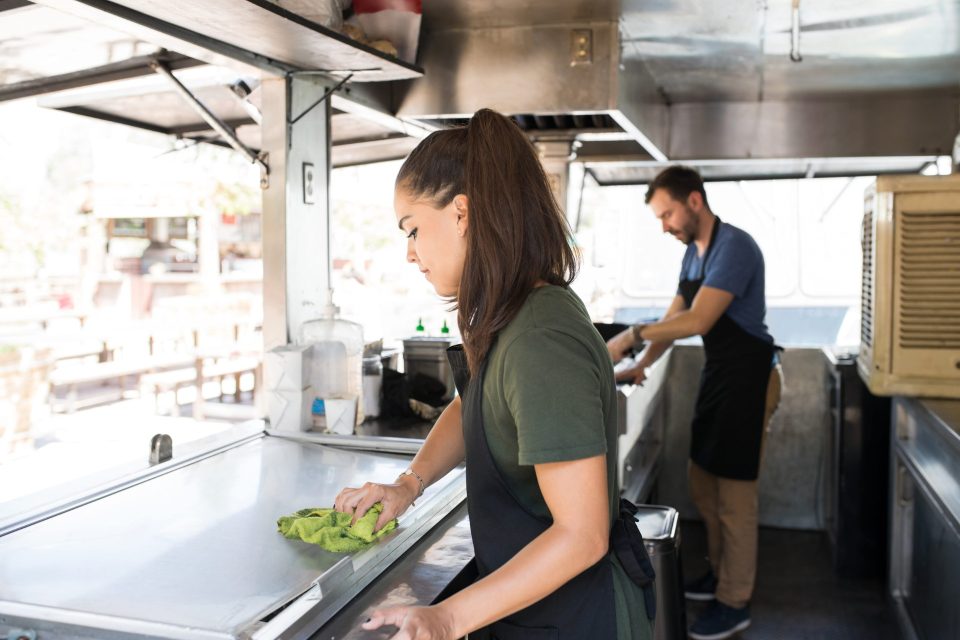
Food trucks have become a major part of the food service industry, offering convenience, mobility, and unique dining experiences for customers across the country. While these mobile kitchens create exciting business opportunities, they also introduce serious fire protection challenges. High-temperature cooking equipment, confined workspaces, grease-laden vapors, propane systems, generators, and heavy daily use all increase the risk of fire.
Because fires can spread rapidly inside a compact mobile kitchen, proper fire protection is critical. Installing and maintaining a properly designed food truck fire suppression system helps protect employees, customers, equipment, and the long-term operation of the business.
Why Food Trucks Present Unique Fire Hazards
Unlike traditional commercial kitchens, food trucks operate in tight spaces where cooking appliances, electrical systems, and fuel sources are located closely together. Fryers, griddles, char broilers, and ranges can generate extremely high temperatures capable of igniting grease accumulation or nearby combustible materials.
Several common fire hazards found in food trucks include:
- Grease accumulation in cooking hoods and exhaust systems
- Leaking propane hoses or fittings
- Faulty electrical wiring or overloaded circuits
- Overheated cooking oil
- Improperly maintained cooking appliances
- Limited ventilation in enclosed cooking areas
- Movement and vibration during transportation that can loosen connections or damage equipment
Because the kitchen space is compact, even a small cooking fire can quickly become a major emergency without proper suppression equipment in place
What Is a Food Truck Fire Suppression System?
A food truck fire suppression systems are UL300 listed wet chemical fire suppression systems designed specifically for commercial cooking hazards. These systems are installed to protect cooking appliances such as fryers, grills, char broilers, ranges, and other equipment that produces grease-laden vapors.
Most systems use heat-sensitive detection mechanisms. When temperatures exceed a dangerous level, the system activates automatically and releases a fire suppression agent directly onto the cooking equipment. The system may also shut off the fuel supply to help prevent the fire from reigniting.
The primary goals of food truck fire suppression systems are to:
- Quickly control fires before they spread
- Reduce damage to equipment and the vehicle
- Protect employees and customers
- Minimize business interruption
- Support compliance with local fire and health regulations
Components of a Food Truck Fire Suppression System
A typical food truck fire suppression setup includes several important components that work together to maximize safety.
Automatic Detection System
Most systems use automatic heat detection components such as fusible links or other listed detection devices designed to activate when temperatures exceed safe operating limits. Wet Chemical Suppressant Agent
Wet chemical agents are specifically designed for commercial kitchen fires involving grease and cooking oils. These agents help suppress flames, cool hot surfaces and reduce the risk of reflash.
Discharge Nozzles
Nozzles are strategically positioned above cooking appliances, within hood systems and in exhaust ducts to deliver the suppression agent directly where it is needed most.
Manual Pull Station
In addition to automatic activation, most systems include a manual pull station. This allows staff to activate the suppression system immediately if they spot a fire before the automatic system engages.
Fuel and Electrical Shutoff
Many commercial kitchen suppression systems are commonly interconnected to automatically shut off propane or gas lines when activated. This reduces the risk of fuel feeding the fire.
Importance of Regular Inspections and Maintenance
Installing a fire suppression system is only one part of maintaining a safe food truck operation. Routine inspections, testing, and maintenance are essential to ensure the system works properly during an emergency.
Grease buildup, damaged nozzles, worn fusible links, clogged piping, or improperly maintained appliances can all reduce system effectiveness and create additional hazards.
Food truck owners should schedule regular inspections with qualified fire protection professionals to keep their systems in working condition.
Regular maintenance typically includes:
- Inspecting nozzles and piping
- Verifying proper nozzle placement
- Checking detection components and fusible links
- Testing fuel shutoff functions
- Confirming suppressant agent condition
- Evaluating hood and exhaust cleanliness
- Reviewing overall system compliance with applicable codes and manufacturer requirements
Food truck operators should also follow all local inspection and permitting requirements established by the Authority Having Jurisdiction (AHJ).
Fire Safety Best Practices for Food Truck Owners
While fire suppression systems provide critical protection, food truck owners should also follow additional fire safety practices to reduce risks.
Clean Cooking Equipment Frequently
Grease accumulation is one of the leading causes of commercial kitchen fires. Cleaning fryers, grills, hood filters, and exhaust systems regularly can significantly lower fire risks.
Train Employees on Emergency Procedures
Every employee should know how to respond during a fire emergency. Staff training should include:
- Proper portable extinguisher use
- Emergency evacuation procedures
- Fuel shutoff locations
- Manual fire suppression activation
- Safe cooking and cleaning practices
Inspect Propane Systems Regularly
Propane leaks can create extremely dangerous conditions in food trucks. Hoses, regulators, and cylinders should be inspected regularly for signs of wear or damage.
Keep Fire Extinguishers Accessible
Food trucks should always carry properly rated and inspected fire extinguishers, including Class K extinguishers, designed for cooking oil fires.
Avoid Overloading Electrical Systems
Food trucks rely heavily on generators and electrical systems. Overloaded circuits, damaged wiring, and improperly installed equipment can create serious fire hazards. Electrical systems should be inspected regularly by qualified professionals.
Food Truck Fire Suppression and Code Compliance
Many jurisdictions require food trucks to have approved commercial kitchen fire suppression systems installed before they can legally operate. Fire inspectors may evaluate:
- Suppression system condition and certification
- Hood and duct cleanliness
- Portable fire extinguisher placement
- Propane storage safety
- Employee safety procedures
- Overall compliance with local fire and health regulations
Failure to comply with regulations can lead to fines, failed inspections, temporary shutdowns, insurance complications, or increased liability exposure
Working with experienced fire protection professionals can help ensure food truck owners meet all local requirements and maintain safe operations.
Protect Your Business With Proper Food Truck Fire Suppression
Food trucks operate in fast-paced environments where fire hazards are always present. A properly installed and maintained commercial kitchen fire suppression system plays a critical role in protecting employees, customers, equipment, and the future of the business itself.
By combining professional suppression systems with routine maintenance, employee training, proper cleaning practices, and safe operating procedures, food truck owners can greatly reduce the risk of devastating kitchen fires. Proper fire protection not only improves safety but also helps ensure long-term business success in the highly competitive food truck industry.
Encore Fire Protection can install and inspect fire protection systems in your food truck to keep you and your livelihood safe.
Latest Posts
How Fire Extinguishers Work: A Simple Guide
Fire extinguishers are one of the most important pieces of safety equipment found in homes, offices, restaurants, warehouses, and just about everywhere else. While many…
Back-to-School Fire Safety: Protecting Students, Staff, and School Facilities
As students return to classrooms in the fall, schools become busy environments filled with learning, activities, and daily routines. While preparing for a successful academic…
How to Prepare for an AHJ Visit
If your building includes fire alarms, sprinkler systems, extinguishers, emergency lighting, kitchen suppression systems, or other life safety equipment, there is a good chance you…