How to Prepare for an AHJ Visit

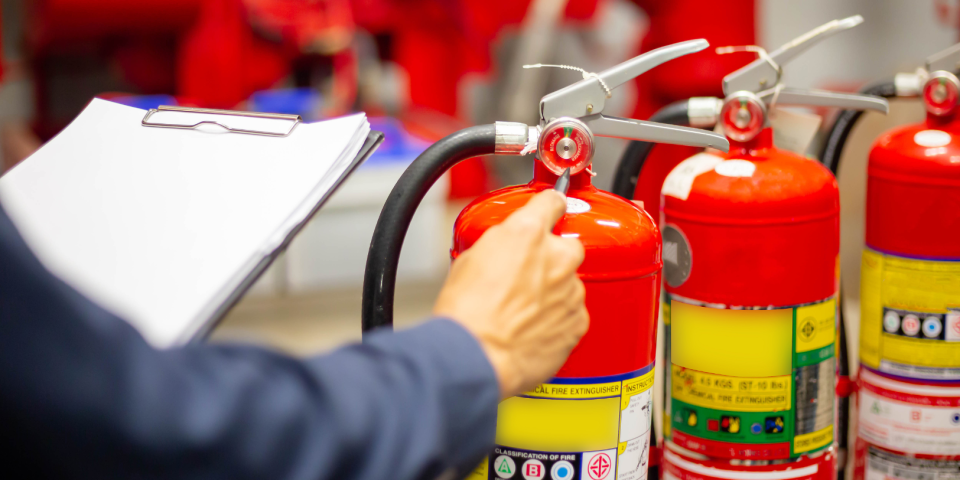
If your building includes fire alarms, sprinkler systems, extinguishers, emergency lighting, kitchen suppression systems, or other life safety equipment, there is a good chance you will eventually need to prepare for an Authority Having Jurisdiction (AHJ) inspection. Properly preparing for an AHJ visit can help you avoid violations, reduce delays, and maintain compliance with local fire and safety regulations.
What Is an AHJ?
An AHJ, or Authority Having Jurisdiction, refers to the organization, office, or individual responsible for enforcing fire codes, building codes, and safety regulations. Depending on your location and facility type, the AHJ could be a local fire marshal, fire prevention office, building inspector, or another regulatory authority.
AHJs are responsible for verifying that buildings meet applicable safety standards. During inspections, they often review fire protection systems, documentation, maintenance records, emergency procedures, and general building conditions.
Why Preparing for an AHJ Visit Matters
Preparing for an AHJ visit is not just about passing an inspection. It is about ensuring that your property is safe, organized, and ready to respond in an emergency situation.
A well-prepared facility can help:
- Reduce the likelihood of violations or fines
- Prevent costly delays in occupancy or operations
- Improve life safety for occupants and employees
- Demonstrate professionalism and responsibility
- Identify potential hazards before they become serious problems
Failing to prepare can lead to fees and fines, operational interruptions, or mandatory corrective actions that may have been avoidable.
Review Your Fire Protection Systems
One of the most important parts of preparing for an AHJ visit is confirming that all fire protection systems are functioning properly and have been inspected according to code requirements.
This may include:
- Fire alarm systems
- Fire sprinkler systems
- Fire extinguishers
- Emergency and exit lighting
- Kitchen hood suppression systems
- Standpipe systems
- Backflow preventers
- Smoke control systems
Make sure all inspections, testing, and maintenance are up to date. If deficiencies were identified during previous inspections, confirm that repairs have been completed and documented.
Having a professional fire protection company review your systems before the AHJ arrives can help identify issues early.
Organize Inspection and Maintenance Records
Documentation is often a major focus during AHJ inspections. Missing paperwork can raise concerns even if the systems themselves appear functional.
Before the inspection, gather records such as:
- Fire alarm inspection reports
- Sprinkler inspection and testing reports
- Extinguisher service records
- Monitoring certificates
- Repair invoices
- System permits
- Occupancy permits
- Employee fire safety training records
Keep records organized and easy to access. Digital and physical copies are both helpful. When preparing for an AHJ visit, being able to quickly provide documentation can leave a positive impression.
Check Exit Paths and Building Accessibility
Inspectors commonly review means of egress and emergency access throughout the building. Walk through your property and look for anything that could interfere with evacuation or emergency response.
Common issues include:
- Blocked exit doors
- Improperly stored materials in hallways
- Missing exit signs
- Burned-out emergency lights
- Locked or obstructed electrical rooms
- Limited access to fire department connections
Correcting these problems before the AHJ arrives can help avoid citations and improve overall building safety.
Address Housekeeping and Storage Concerns
Good housekeeping plays a major role in fire prevention. During an AHJ visit, inspectors may evaluate how materials are stored and whether the building presents unnecessary fire hazards.
Pay close attention to:
- Combustible storage near electrical equipment
- Clutter around sprinkler risers or panels
- Improper storage in mechanical rooms
- Flammable liquid storage practices
- Accumulated dust or debris in industrial settings
A clean and organized facility demonstrates a commitment to safety and compliance.
Ensure Staff Are Prepared
Preparing for an AHJ visit should also involve your employees or facility staff. Team members should know basic emergency procedures and understand how to assist during an inspection.
Consider reviewing:
- Fire evacuation procedures
- Emergency contact information
- Alarm response protocols
- Locations of extinguishers and pull stations
- Procedures for escorting inspectors
If the AHJ asks questions during the inspection, knowledgeable staff can help the process move efficiently.
Identify and Correct Deficiencies Early
One of the best ways to simplify preparing for an AHJ visit is to perform a self-inspection ahead of time. Walk through the building as though you were the inspector.
Look for common code concerns such as:
- Damaged sprinkler heads and missing escutcheons
- Expired extinguishers
- Missing ceiling tiles
- Open electrical panels
- Improper extension cord use
- Unlabeled fire alarm devices
- Blocked sprinkler heads
Addressing these items before the official inspection can reduce stress and improve your chances of a successful outcome.
Understand Local Fire Codes and Requirements
Different jurisdictions may enforce different codes or amendments. Preparing for an AHJ visit often requires understanding the specific regulations that apply to your facility.
Stay informed about:
- Local fire code updates
- Occupancy-specific requirements
- Inspection frequency requirements
- Permit requirements for renovations or system changes
- Documentation standards
Working with experienced fire protection professionals can help ensure your building stays compliant with evolving regulations.
Schedule Preventive Maintenance Regularly
Facilities that consistently maintain their systems are usually better prepared for inspections. Preventive maintenance helps catch problems early and supports long-term compliance.
Rather than waiting until an inspection notice arrives, develop an ongoing maintenance plan that includes:
- Routine inspections
- System testing
- Prompt repairs
- Employee training
- Recordkeeping updates
This proactive approach makes preparing for an AHJ visit much easier and helps create a safer environment year-round.
Final Thoughts on Preparing for an AHJ Visit
Preparing for an AHJ visit does not have to be overwhelming. By staying organized, maintaining fire protection systems, correcting deficiencies promptly, and keeping accurate documentation, building owners and facility managers can approach inspections with greater confidence. Best practice is to keep up on these tasks regularly, which keeps your property safe and compliant year-round while allowing you to avoid the mad dash of fixing a litany of problems right before your visit.
Contact us at Encore Fire Protection to inspect your life safety systems and ensure your property is ready for its next AHJ visit.
Latest Posts
How Fire Extinguishers Work: A Simple Guide
Fire extinguishers are one of the most important pieces of safety equipment found in homes, offices, restaurants, warehouses, and just about everywhere else. While many…
Back-to-School Fire Safety: Protecting Students, Staff, and School Facilities
As students return to classrooms in the fall, schools become busy environments filled with learning, activities, and daily routines. While preparing for a successful academic…
Everything Food Truck Owners Need to Know About Fire Suppression Systems
Food trucks have become a major part of the food service industry, offering convenience, mobility, and unique dining experiences for customers across the country. While…