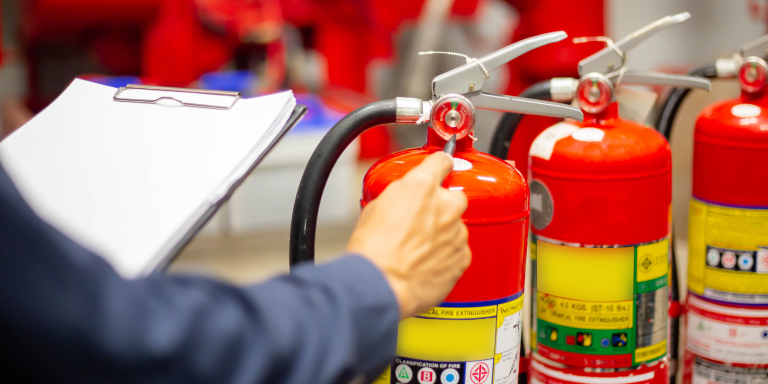
Multi-Family Housing: Managing Fire Safety Deficiencies Across Hundreds of Units


Managing large apartment communities or other multi-family properties comes with many responsibilities, and few are as critical as managing fire safety deficiencies. From routine inspections to unexpected system failures, property managers must act quickly to ensure compliance, protect residents, and maintain operational efficiency. When hundreds of units are involved, even minor issues can quickly become complex logistical challenges.
Understanding Fire Safety Deficiencies in Multi-Family Housing
Fire safety deficiencies can arise from a variety of sources, including fire alarm systems (NFPA 72), sprinkler systems (NFPA 13, NFPA 25), extinguishers (NFPA 10), and egress pathways (NFPA 101). Common issues include malfunctioning smoke detectors, obstructed exits, damaged sprinkler heads, and outdated fire alarm panels.
In multi-family environments, these deficiencies are often identified during inspections or tenant reports. Because systems are interconnected across units and shared spaces, a single issue can impact multiple residents. That is why managing fire safety deficiencies requires both urgency and coordination.
The Challenge of Scale
Managing fire safety deficiencies across hundreds of units introduces logistical complexity:
- Multiple buildings, floors, and unit types to track
- Varying levels of urgency across deficiencies
- Limited availability of maintenance teams or vendors
- Increased risk of delays due to scheduling conflicts
- Greater exposure to compliance violations if issues are not resolved quickly
Without a structured system, small issues can escalate into widespread operational problems.
Scheduling Repairs Efficiently
A strategic approach to scheduling helps streamline repairs and minimize disruption:
- Prioritize by severity
- Life safety issues first such as non-working alarms or blocked exits
- Secondary issues scheduled in phases
- Group work orders
- Schedule repairs by building, floor, or unit cluster
- Reduce travel time for technicians
- Leverage technology
- Use property management software to track and assign tasks
- Monitor completion status in real time
- Plan ahead
- Block off recurring maintenance days
- Avoid last-minute scheduling whenever possible
Coordinating Access to Units
Gaining consistent access to units is often one of the biggest barriers:
- Provide proper advance notice in accordance with local laws
- Offer flexible time windows when possible
- Use multiple communication channels:
- Text alerts
- Tenant portals
- Reduce missed appointments by:
- Sending reminders the day before
- Confirming access instructions
- When necessary:
- Coordinate with on-site staff
- Follow legal procedures for master key entry
Managing Tenant Communication
Clear communication improves cooperation and reduces frustration:
- Explain the purpose of repairs and their safety importance
- Use standardized messaging for consistency:
- Initial notices
- Appointment confirmations
- Completion updates
- Keep tenants informed with:
- Expected timelines
- Any delays or changes
- Designate a single point of contact for:
- Questions
- Scheduling concerns
- Follow-ups
Documentation and Compliance Tracking
Strong documentation supports compliance and reduces liability:
- Maintain detailed records of:
- Inspections
- Identified deficiencies
- Repair timelines
- Completed work
- Use digital systems to:
- Centralize data
- Generate reports quickly
- Track historical trends
- Be prepared for:
- Code inspections
- Insurance reviews
- Internal audits
Working with Qualified Fire Protection Professionals
Partnering with experienced providers like Encore Fire Protection can improve efficiency and outcomes:
- Ensure all repairs meet current fire codes
- Gain expert insight into system-wide issues
- Reduce repeat deficiencies with proper fixes
Look for providers who offer:
- Inspection, testing, and maintenance programs
- Fast response times
- Experience with multi-family properties
Preventative Maintenance Strategies
Preventative maintenance reduces the frequency and severity of deficiencies:
- Schedule routine system checks:
- Fire alarms
- Sprinkler systems
- Fire extinguishers
- Emergency lighting
- Conduct periodic walkthroughs of:
- Common areas
- Hallways and exits
- Educate tenants on fire safety:
- Do not tamper with detectors
- Keep exits clear
- Report issues promptly
- Establish a recurring maintenance calendar to stay proactive
Tips for Property Managers
Successfully managing fire safety deficiencies in multi-family housing requires a combination of organization, communication, and strategic planning. Keep these tips in mind:
- Prioritize deficiencies based on risk level and urgency
- Use technology to track work orders and streamline scheduling
- Communicate clearly and consistently with tenants
- Maintain thorough documentation for compliance
- Partner with reliable fire protection professionals
- Invest in preventative maintenance programs
Referenced NFPA Codes
- NFPA 10 — Standard for Portable Fire Extinguishers
- NFPA 13 — Standard for the Installation of Sprinkler Systems
- NFPA 25 — Standard for the Inspection, Testing, and Maintenance of Water-Based Fire Protection Systems
- NFPA 72 — National Fire Alarm and Signaling Code
- NFPA 101 — Life Safety Code
Encore Fire Protection would be happy to help any multi-family housing property managers find a way to manage their fire safety systems efficiently and effectively.
Latest Posts
How Fire Extinguishers Work: A Simple Guide
Fire extinguishers are one of the most important pieces of safety equipment found in homes, offices, restaurants, warehouses, and just about everywhere else. While many…
Back-to-School Fire Safety: Protecting Students, Staff, and School Facilities
As students return to classrooms in the fall, schools become busy environments filled with learning, activities, and daily routines. While preparing for a successful academic…
How to Prepare for an AHJ Visit
If your building includes fire alarms, sprinkler systems, extinguishers, emergency lighting, kitchen suppression systems, or other life safety equipment, there is a good chance you…