Frequently Asked Questions About Summer Fire Safety

Everything you need to know about summer fire safety — whether you’re protecting your home or your business.
As temperatures rise and outdoor activities increase, summer fire safety becomes a major concern for both homeowners and business owners. Summer often brings higher risks of fires due to grilling, fireworks, electrical strain, dry vegetation, and increased equipment use. A single fire can cause devastating injuries, property damage, business interruptions, and financial losses.
Understanding the importance of summer fire safety can help reduce preventable accidents and keep people safe throughout the season. Whether you are hosting backyard gatherings or managing a commercial property, taking proactive steps can make a significant difference.
Summer Fire Safety Tips for Homeowners
Summer is a season filled with cookouts, vacations, pool parties, and outdoor entertainment. While these activities are enjoyable, they can also introduce new fire hazards around the home.
Q: What are the most common causes of house fires in the summer?
Summer is one of the highest-risk seasons for residential fires. The most common causes include:
- Outdoor grilling — the leading cause of home fires in summer
- Fireworks, particularly around the Fourth of July
- Electrical overloads from air conditioners, fans, and pool equipment
- Backyard fire pits and bonfires
- Dry vegetation and spreading wildfires
Awareness of these risks is the foundation of effective summer fire prevention at home.
Q: How do I grill safely to prevent a fire at home?
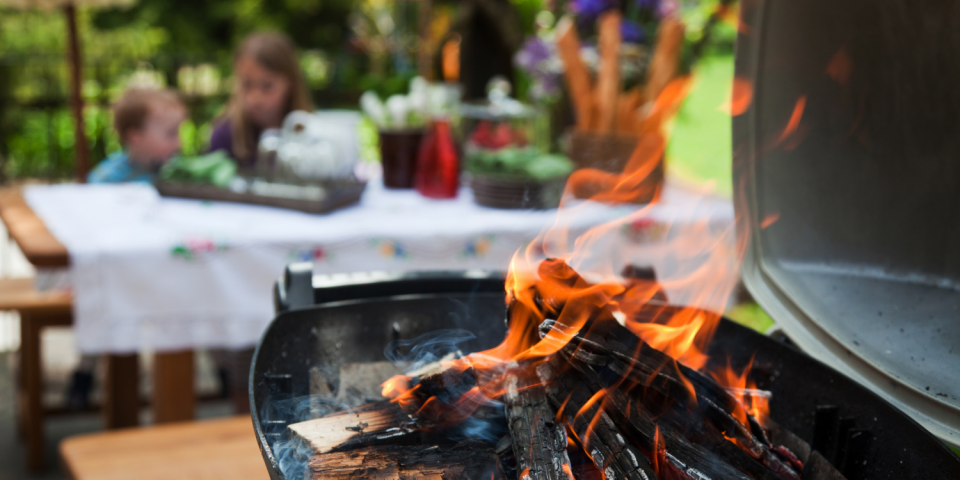
Outdoor grilling is one of the leading causes of residential fires during the summer months. Gas grills, charcoal grills, and smokers should always be operated with caution.
For better summer fire safety, homeowners should:
- Place grills at least 10 feet away from siding, fences, decks, and overhanging branches
- Keep children and pets away from cooking areas
- Never leave a grill unattended while in use
- Regularly check propane tanks and gas lines for leaks
- Clean grease buildup to reduce flare-ups Allow charcoal to cool completely before disposal. Never discard hot ash in a trash can or on dry ground
Q: Are backyard fire pits and bonfires safe to use in the summer?
Fire pits and backyard bonfires are popular gathering spots during summer evenings. They can be used safely, however, dry grass, leaves, and windy conditions can quickly turn a controlled fire into an emergency.
To improve summer fire safety around fire pits:
- Keep fires contained within approved fire pits
- Maintain a safe distance from structures and landscaping
- Have a hose, sand bucket, or fire extinguisher nearby
- Avoid using accelerants like gasoline
- Fully extinguish fires before leaving the area
- Check local burn restrictions before starting outdoor fires.
Q: Can summer heat lead to electrical fires at home?
Yes: Air conditioners, fans, pool equipment, and outdoor lighting place additional strain on residential electrical systems during the summer. Overloaded circuits and damaged cords can increase fire risks.
Homeowners can improve summer fire safety by:
- Avoiding overloaded outlets and extension cords
- Replacing damaged electrical cords immediately
- Scheduling inspections for outdated wiring
- Using weather-resistant outdoor electrical equipment
- Keeping appliances away from water exposure
If breakers trip frequently or outlets feel hot, it may be time to contact a licensed electrician.
Q: Are consumer fireworks safe to use at home?
Summer holidays often include fireworks, especially around the Fourth of July. Unfortunately, fireworks are responsible for thousands of fires and injuries every year.
If you choose to use them:
- Follow all local laws regarding fireworks
- Never allow children to handle fireworks unsupervised
- Keep a bucket of water or hose nearby
- Light fireworks one at a time
- Avoid using fireworks near dry grass or structures
Attending a professional public fireworks display is always the safest alternative for families.
Q: How do I protect my home from wildfires?
In many areas, summer heat and drought conditions create elevated wildfire risks. Simple landscaping and maintenance practices can help protect homes.
Important summer fire safety measures include:
- Removing dead vegetation and dry brush
- Trimming tree branches away from roofs
- Keeping gutters free of debris
- Storing firewood away from the home
- Creating defensible space around the property
Preparedness is especially important in regions prone to dry conditions and high winds.
Summer Fire Safety Tips for Business Owners
Businesses face unique fire risks during the summer months. Restaurants, warehouses, offices, retail centers, and industrial facilities all require strong fire prevention strategies to protect employees, customers, and operations.
Q: What are the biggest summer fire risks for businesses?
Commercial properties experience heightened fire risks in summer due to increased energy demand, outdoor operations, and heat exposure. The most common commercial summer fire hazards include:
- Electrical overloads from HVAC systems, refrigeration, and extended operating hours
- Improper storage of flammable liquids and combustible materials in high heat
- Outdoor cooking equipment at restaurants and event venues
- Dry vegetation around building perimeters
- Deferred maintenance on fire protection systems
Addressing these risks proactively is essential to protecting employees, customers, and business continuity.
Q: How often should commercial fire protection systems be inspected?
One of the most important aspects of commercial summer fire safety is ensuring that fire protection systems are functioning properly.
Businesses should regularly inspect and maintain their systems. Inspection and testing frequency is determined by your state and Authority Having Jurisdiction (AHJ), but NFPA codes and standards outline the following:
- Fire sprinkler systems:
- As frequently as quarterly, with more rigorous inspections at semi-annual, annual, and 5-year intervals.
- Fire alarms, smoke and heat detectors
- At least semi-annually. Varies by state and local Authority Having Jurisdiction (AHJ) requirements.
- Fire extinguishers
- Visually inspected monthly and receive annual maintenance from a certified technician.
- Emergency lighting systems
- 90-minute burn test annually/30-second push test monthly.
Routine inspections help identify deficiencies before they become serious safety hazards. Summer heat can also place additional stress on certain mechanical and electrical systems, making preventative maintenance even more important.
Q: How can businesses prevent electrical overloads in the summer?
Commercial properties often experience increased energy usage during the summer due to cooling systems, refrigeration equipment, and extended operating hours.
To support summer fire safety in commercial buildings:
- Audit your electrical load before peak summer
- Inspect HVAC systems regularly
- Replace damaged wiring or outlets
- Ensure electrical panels remain accessible
- Schedule professional electrical evaluations when needed
Electrical fires can spread quickly in commercial settings, making early prevention critical.
Q: How should businesses store flammable materials in the summer?
Many businesses store flammable liquids, chemicals, paper products, or combustible materials. Improper storage can significantly increase fire risks during hot weather.
Commercial summer fire safety plans should include:
- Proper ventilation in storage areas
- Clearly labeled hazardous materials
- Safe disposal procedures for flammable waste
- Compliance with local fire codes
- Employee training on emergency procedures
Businesses should also ensure that storage areas remain clean and organized to minimize fuel sources for potential fires.
Q: What outdoor fire risks should businesses prepare for in the summer?
Outdoor operations often increase during the summer months. Restaurants may add outdoor seating and cooking areas, while construction companies and industrial facilities may operate heavy equipment outdoors.
Business owners should:
- Keep outdoor cooking equipment properly maintained
- Store fuel safely
- Clear dry vegetation around buildings
- Restrict smoking to designated areas
- Inspect outdoor electrical equipment regularly
These steps can significantly reduce seasonal fire hazards.
Q: How can I train my employees to follow summer fire safety practices?
Even the best fire protection systems are only effective when employees understand how to respond during emergencies. Staff training plays a major role in successful summer fire safety planning.
Businesses should regularly review:
- Evacuation procedures
- Fire extinguisher usage
- Emergency communication protocols
- Reporting procedures for hazards
- Emergency exit accessibility
Seasonal refresher training can help employees remain alert and prepared.
Summer Fire Safety Should Never Be Overlooked
Summer brings excitement, travel, outdoor entertainment, and increased activity for both families and businesses. Unfortunately, it also creates conditions that can increase fire risks dramatically. Taking preventative action now can help avoid emergencies later.
Whether protecting a home or a commercial property, summer fire safety should remain a top priority throughout the season. From maintaining fire protection systems to practicing safe grilling habits, small precautions can prevent major disasters and help ensure a safer summer for everyone.
Encore Fire Protection is available to inspect your fire protection systems and help you stay safe throughout the summer season.
Latest Posts
How Fire Extinguishers Work: A Simple Guide
Fire extinguishers are one of the most important pieces of safety equipment found in homes, offices, restaurants, warehouses, and just about everywhere else. While many…
Back-to-School Fire Safety: Protecting Students, Staff, and School Facilities
As students return to classrooms in the fall, schools become busy environments filled with learning, activities, and daily routines. While preparing for a successful academic…
How to Prepare for an AHJ Visit
If your building includes fire alarms, sprinkler systems, extinguishers, emergency lighting, kitchen suppression systems, or other life safety equipment, there is a good chance you…