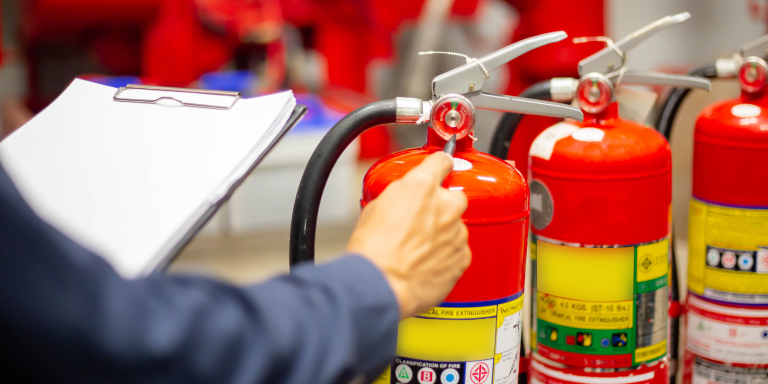
You Got the Fire Protection System Inspection Report, Now What? A Guide to Deficiency Correction


Receiving a fire protection system inspection report can feel overwhelming, especially when it includes a list of deficiencies. However, this document is not just a checklist of problems. It is a roadmap that helps you protect your building, stay compliant with codes, and keep occupants safe. Understanding how to approach deficiency correction is the next critical step after any inspection.
Understanding What “Deficiencies” Really Mean
When an inspection identifies deficiencies, it means that part of your fire protection system is not performing as required. This could involve:
- Fire alarm components that are not functioning properly (NFPA 72)
- Sprinkler heads that are damaged, blocked, or outdated (NFPA 13, NFPA 25)
- Control panels showing faults or trouble signals
- Valves that are closed, inaccessible, or improperly labeled
- Documentation or inspection tags that are missing or outdated
Not every deficiency represents an immediate emergency, but each one may require attention. Some issues may be classified as critical, while others are considered non-critical but still need to be addressed within a specific timeframe.
Why Deficiency Correction Should Never Be Delayed
Ignoring deficiencies is a risk that can quickly escalate. Fire protection systems are designed to respond instantly during emergencies. Even a small issue may compromise the entire system when it matters most.
Timely deficiency correction helps you:
- Maintain compliance with local fire codes and regulations
- Avoid fines, citations, or potential shutdowns
- Reduce liability in the event of an incident
- Protect occupants, employees, and property
- Ensure your system performs as designed during a fire emergency
Delays can also lead to more extensive damage or costlier repairs later. What starts as a minor issue can grow into a major system failure if left unresolved.
Step 1: Review the Report in Detail
Start by carefully reviewing your fire protection system inspection report. Many reports will include labels such as:
- Recommended
- Deficient
- Impaired or inoperable
These labels act as a guideline to help you determine what needs immediate attention. They are not used to determine standard compliance. You will be able to use them as a way to understand where your system is struggling and which repairs, replacements, or upgrades will provide the most benefit.
If anything in the report is unclear, reach out to your inspection provider. A clear understanding of each issue is essential for proper deficiency correction.
Step 2: Prioritize Deficiencies Based on Risk
Not all deficiencies carry the same level of urgency. Prioritization is key to an effective response.
High-priority issues may include:
- Systems that are partially or fully inoperable
- Components that prevent alarms or sprinklers from activating
- Blockages or damage that could delay response during a fire
Lower-priority issues might involve labeling, minor wear, or administrative documentation. While these still require correction, they can often be scheduled after critical repairs are completed.
Creating a clear priority list helps streamline the deficiency correction process and ensures that safety risks are addressed first.
Step 3: Schedule Repairs with Qualified Professionals
Deficiency correction should always be handled by licensed and experienced fire protection professionals. Attempting to fix issues without proper expertise can lead to further complications or code violations.
When scheduling repairs:
- Use certified technicians who specialize in fire protection systems
- Confirm that all work complies with local and national fire codes
- Request documentation for all completed repairs
- Coordinate access to affected areas within the building
Working with a trusted provider ensures that deficiency correction is completed correctly the first time.
Step 4: Keep Detailed Documentation
Documentation is a critical part of compliance. After completing deficiency correction, make sure you maintain accurate records that include:
- The original inspection report
- A list of identified deficiencies
- Work orders and repair summaries
- Updated inspection tags or system certifications
These records may be required during future inspections or by local authorities. Keeping everything organized also makes it easier to track recurring issues and plan preventive maintenance.
Step 5: Implement a Preventive Maintenance Plan
Once deficiencies are corrected, the goal is to prevent new issues from developing. A proactive maintenance plan helps extend the life of your system and reduces the likelihood of future deficiencies.
Consider:
- Scheduling regular inspections and testing
- Conducting routine visual checks of system components
- Training staff to recognize warning signs such as alarms, leaks, or damage
- Addressing minor issues before they escalate
Consistent maintenance plays a major role in minimizing future deficiency correction needs.
Common Challenges Building Owners Face
Many building owners struggle with deficiency correction due to logistical and operational challenges. These can include:
- Coordinating repairs without disrupting tenants or operations
- Managing multiple deficiencies across large or multi-unit properties
- Budgeting for unexpected repair costs
- Understanding evolving fire code requirements
Planning ahead and working with experienced professionals can help overcome these challenges while keeping your building compliant and safe.
The Bottom Line on Deficiency Correction
A fire protection system inspection report is not something to file away and forget. It is an essential tool that highlights risks and outlines what needs to be done to maintain a safe environment.
Approaching deficiency correction with urgency, organization, and the right professional support ensures that your system is always ready to perform when it matters most. By reviewing your report carefully, prioritizing issues, completing repairs promptly, and maintaining proper documentation, you protect not only your property but also the people who rely on your building every day.
If you have recently received an inspection report, now is the time to act. Effective deficiency correction is not just about compliance. It is about safety, responsibility, and peace of mind.
Referenced NFPA Codes:
Get your fire protection system inspection from Encore Fire Protection, and we’ll help you handle all of the deficiencies to ensure an optimally functioning system.
Latest Posts
How Fire Extinguishers Work: A Simple Guide
Fire extinguishers are one of the most important pieces of safety equipment found in homes, offices, restaurants, warehouses, and just about everywhere else. While many…
Back-to-School Fire Safety: Protecting Students, Staff, and School Facilities
As students return to classrooms in the fall, schools become busy environments filled with learning, activities, and daily routines. While preparing for a successful academic…
How to Prepare for an AHJ Visit
If your building includes fire alarms, sprinkler systems, extinguishers, emergency lighting, kitchen suppression systems, or other life safety equipment, there is a good chance you…